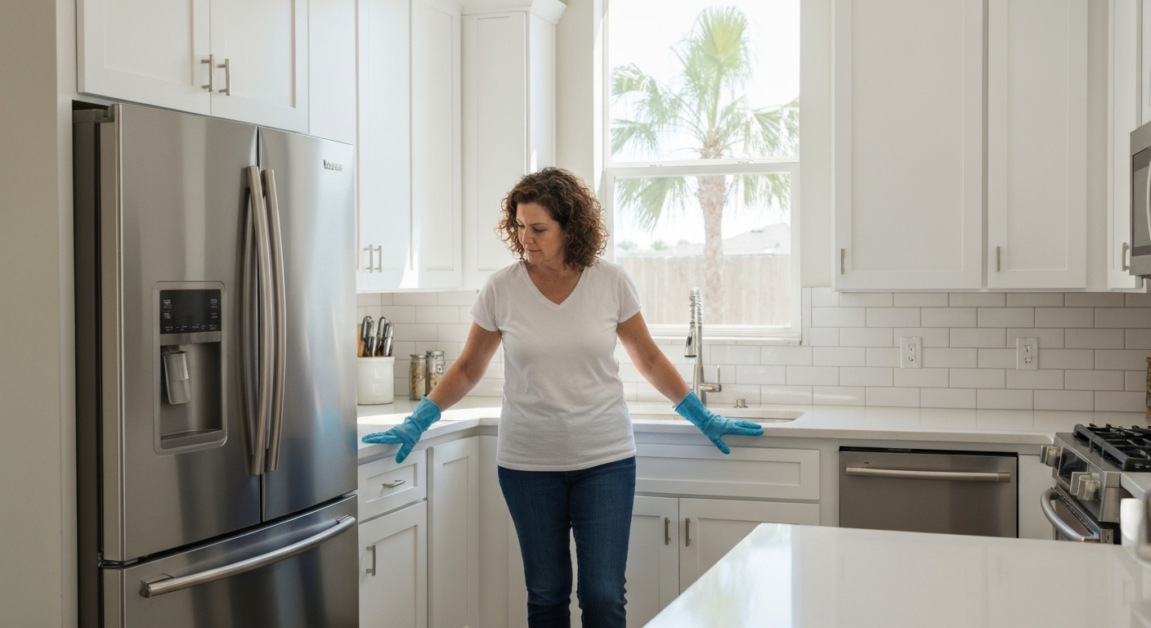
Managing construction dust is critical for ensuring a clean and healthy environment in your Orlando home. Whether you are remodeling a kitchen in Winter Park or finishing a basement in Windermere, dust management is a top priority. With expert tips from All Great Cleaner, you can prevent the spread of fine particles and maintain your space throughout your renovation project.
To ensure your home remains livable and safe, it is important to understand that construction dust isn’t just a mess—it can be a health hazard and a threat to your HVAC system. By implementing active containment and scheduling post construction cleaning services Orlando, you can enjoy your new space sooner without the lingering grit.
Why Construction Dust Spreads Throughout Orlando Homes
Construction sites produce high volumes of fine particles from materials like drywall, concrete, and wood. When these materials are cut, sanded, or disturbed, they release airborne dust that can travel through the smallest gaps in doors or through your ventilation system. In Orlando’s humid climate, these particles can often become heavy or sticky, clinging to surfaces and making them harder to remove with standard household tools.
“Preventing dust starts with understanding its sources and taking proactive steps to manage it effectively before the first hammer swings.”
Common Dust Sources in Remodels
Most renovation projects in Central Florida produce significant debris from:
- Drywall Work: Cutting and sanding drywall creates the finest, most invasive dust.
- Flooring Removal: Tearing up old tile or sanding hardwood floors.
- Masonry: Tile cutting and grout work often leave a chalky residue.
- Demolition: Breaking down walls releases years of trapped dust and insulation fibers.
How Much Construction Dust is Normal?
While some degree of dust is unavoidable during a remodel, excessive buildup that migrates into “clean zones” of the house indicates a failure in containment. Modern construction cleaning Orlando standards suggest that with proper barriers, the rest of your home should remain relatively unaffected.
Seal-Off and Containment Tips
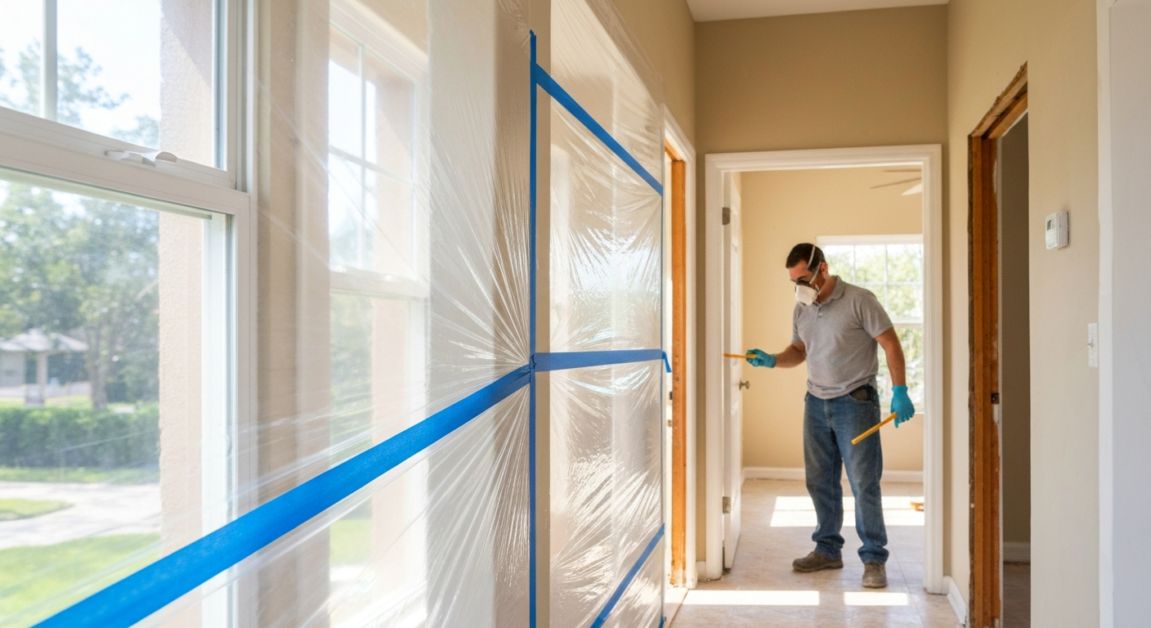
Containment is your first line of defense. Proper methods safeguard bedrooms, kitchens, and living areas from cross-contamination.
Essential Tools for Dust Control
To effectively prevent construction dust in Orlando from taking over your home, use these professional-grade materials:
- 6-Mil Plastic Sheeting: Thicker plastic is less likely to tear and provides a better vapor/dust barrier.
- Zipper Door Systems: These allow workers to enter and exit the work zone while keeping the seal airtight.
- Painter’s Tape: Use high-quality tape to secure plastic to walls without damaging your paint.
- Tension Poles: These help create floor-to-ceiling barriers without nailing into your ceiling.
Effective Methods to Contain Dust
Set up physical barriers at every entrance to the construction zone. For larger projects, consider using an air scrubber—a portable filtration system that removes particles from the air continuously. This is especially helpful in Orlando where windows are often kept shut due to the heat, preventing natural ventilation.
HVAC and Filter Protection
Your HVAC system is the most expensive “vacuum cleaner” in your house. If you don’t protect it, construction dust will settle in your ductwork and be blown into every room for months after the project ends.
Best Practices for Protecting Your AC System
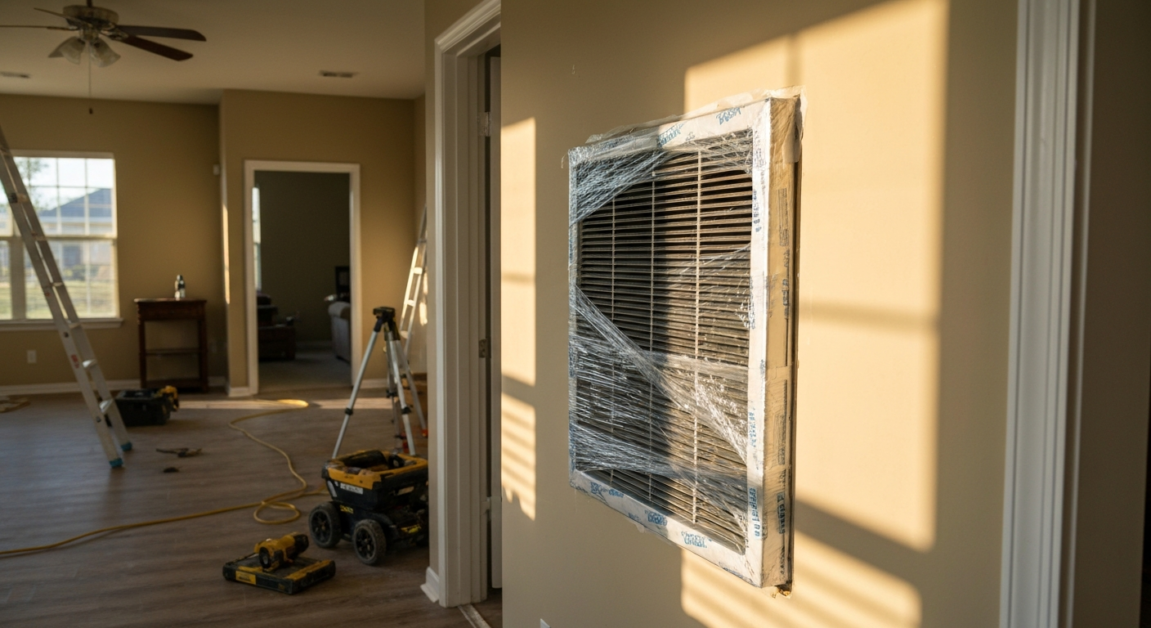
During active sanding or demolition, it is often best to shut down the HVAC system entirely. If you must run the AC to manage Florida’s heat, ensure the return vents in the work area are completely sealed with plastic and tape.
Recommended Filters and Maintenance
Switch to high-efficiency HEPA filters during the project and replace them weekly. Once the renovation is complete, we recommend a professional coil and duct inspection to ensure no grit has bypassed your filters. According to the EPA, HEPA filtration is the gold standard for capturing the microscopic particles found in construction debris.
Cleaning During the Project
Don’t wait until the end of the project to start cleaning. Maintaining a “rough clean” schedule can significantly reduce the final workload and prevent construction dust can impact health for your family or employees.
Daily Cleaning Routines for Ongoing Projects
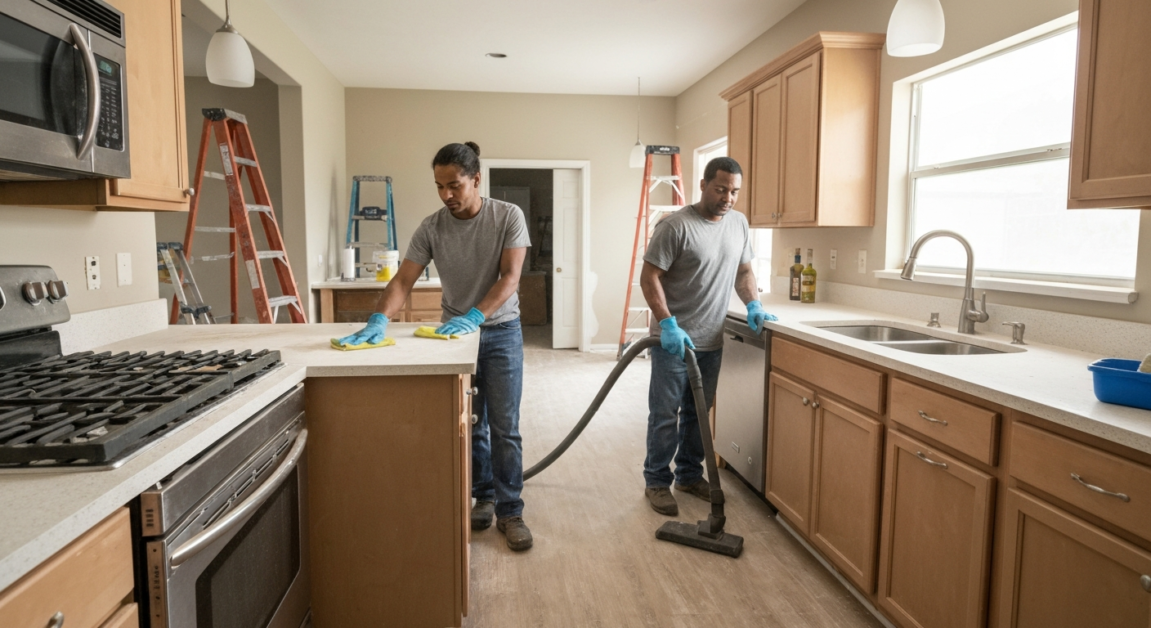
Implement daily routines including:
- HEPA Vacuuming: Standard shop-vacs often blow fine dust back out the exhaust. Use a vacuum with a true HEPA filter.
- Damp Mopping: Use a damp (not soaking) microfiber mop to trap dust on hard floors.
- Tack Mats: Place sticky mats at the exit of the work zone to pull dust off the bottom of work boots.
DIY vs. Professional Cleaning Services
While DIY efforts help during the construction phase, a professional crew has the specialized equipment and industrial-strength HEPA vacuums needed for a deep clean. Learn more about the benefits of professional cleaning services to decide which path is right for your timeline and budget.
Final Post-Construction Cleaning Still Matters
Even with the best containment, dust is incredibly persistent. A final deep clean is essential to make your home truly “guest-ready.” At All Great Cleaner, we specialize in removing the “film” that often settles on surfaces days after the contractors leave.
Post-Construction Cleaning Checklist
A thorough final pass should include cleaning inside cabinets, wiping down light fixtures, and detailing baseboards. View our checklist for a complete guide on what to look for after your contractors finish.
| Task Type | Includes | Best For |
|---|---|---|
| Rough Clean | Debris removal, sweeping, window sticker removal. | Mid-project maintenance. |
| Final Clean | Deep dusting, sanitizing, floors, and fixtures. | Inspection-ready status. |
| Touch-up Clean | Removing resettled dust after 48 hours. | Moving in or open houses. |
Important Realities of Post-Construction Cleaning
It is important to note that construction dust can remain airborne for several days. Even after a professional cleaning, a small amount of dust may resettle. Depending on the scope of your project, we may recommend a “touch-up” pass 48 hours after the main cleaning to ensure a perfect finish.
How to Choose a Reliable Cleaner in Orlando
Not all cleaning companies are equipped for the heavy lifting of a post-renovation job. When searching for cleaning services in Orlando Metro, look for providers who have specific experience with construction turnover.
- Check Equipment: Ensure they use HEPA-filtered vacuums and microfiber technology.
- Verify Experience: Ask if they have handled luxury renovations or commercial build-outs.
- Inquire About Safety: Professional crews should follow safety protocols to protect your new finishes and surfaces.
Avoid companies that offer a generic “house cleaning” price for construction work, as the labor and equipment requirements are vastly different. Find out how to choose the best cleaner here for more hiring tips.
Conclusion: Your Path to a Dust-Free Home
By combining proactive containment, HVAC protection, and professional cleaning, you can enjoy your Orlando renovation without the stress of a lingering mess. At All Great Cleaner, we serve homeowners from College Park to Lake Mary, providing the detailed touch needed to make your new space shine.
Ready to eliminate the renovation grit? Call All Great Cleaner at (321) 315-9177 or get a free cleaning quote today. We provide inspection-ready results for homes and offices throughout the Orlando area.
Recommended Reading
- Post Construction Cleaning in Orlando – Inspection-Ready Results You Can Trust
- Post-Renovation Cleaning Tips for Orlando Homes – Get Dust-Free, Fast
- Eco-Friendly Post-Construction Cleaning in Orlando for a Spotless Finish
Frequently Asked Questions
Why do construction sites get so dusty?
Construction involves cutting, sanding, and disturbing materials like drywall, tile, and concrete. These actions release fine, lightweight particles into the air that can float for hours before settling on surfaces.
How much construction dust is normal?
Some dust is expected within the work zone, but if dust is visible on furniture in other rooms, your containment barriers (plastic sheeting and tape) may be failing. Excessive dust outside the work area can impact indoor air quality.
How often should you clean during construction vs after?
We recommend a daily “rough clean” to remove heavy debris and a HEPA vacuuming pass every few days. However, a comprehensive “Final Clean” should only happen after all construction and painting are 100% complete.
What are essential tools for controlling construction dust?
Key tools include 6-mil plastic sheeting, tension poles for barriers, zipper doors, HEPA-filtered vacuums, and tack mats for foot traffic.
Can construction dust damage my Orlando home’s AC?
Yes. Fine dust can clog filters, coat evaporator coils, and settle in ductwork, leading to reduced efficiency or system failure. Always seal your return vents during active construction.